Demonstration of Competency Resources
Assessors
As a BEFA Assessor, you will have access to a secure platform for storing and sharing internal documents, assessment materials, applicant submissions, and pertinent resources. Access is restricted to authorized personnel via a username and password, ensuring the confidentiality, integrity, and security of sensitive information.
Applicants
Our resources are designed to guide you step by step as you prepare your submission and demonstrate your competencies.
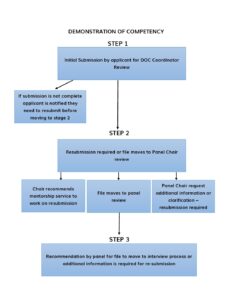
- Explore the Demonstration of Competency Process: A clear, easy-to-follow diagram walks you through the entire process at a glance.
- Watch and Learn: Animated videos provide practical tips and guidance on the more challenging competency areas, helping you prepare narratives and reference documents to effectively demonstrate how you meet the competency requirements.
- Illustrated Competency Examples: Explore projects (sketches, tables, images, and more) that showcase all 12 competencies and illustrate how to effectively meet each requirement.
Start exploring the resources and showcase your competence with confidence and clarity!
Explore the Demonstrative Competency Process
Watch and Learn! (Animated Videos)

General Guidelines
The video explains the general guidelines for applicants to the BEFA program. It provides an overview of how the BEFA pathway works: what BEFA certification is: from eligibility, through demonstration of competency, to the interview stage. Learn how to clearly demonstrate your competencies, explain your role, and showcase your projects in a Canadian context. Focus on quality, clarity, and process. Three projects are usually enough.

Code Research
This guidance video focuses on the challenging Code Research competency. It highlights how to be aware of and work effectively with the National Building Code of Canada, understand its key goals, life safety, accessibility, performance, health, and energy efficiency, and offers practical tips for preparing a clear, focused submission. The video emphasizes demonstrating clarity, relevance, and your specific role.
Construction Documents
This guidance video focuses on the Construction Documents competency. Learn how to effectively demonstrate your competence in creating and understanding drawings and specifications, highlighting representative examples rather than all documents. Understand the importance of building envelope detailing across Canada’s diverse climatic zones, annotate your work to showcase your knowledge, and explain your role clearly. Tips on coordinating with other consultants and presenting your submission with clarity and relevance are included.

Construction Phase
This guidance video focuses on the Construction Phase. Learn how to demonstrate your understanding of the architect’s contractual, regulatory, and legal responsibilities, including oversight of construction to ensure compliance with contract documents and administration of the contract between owner and contractor. Gain tips on conducting site reviews, managing project documentation, and clearly showing your role in the Canadian context. Focus on quality over quantity, annotate your documents, and explain your work in your own words.

Professionalism and Professional Practice
This guidance video focuses on the Professionalism and Professional Practice. Learn how to demonstrate your understanding of architecture as a self-regulated profession in Canada, including provincial requirements, legislation, codes of ethics, and professional responsibilities. Gain tips on sealing and signing documents, professional liability insurance, and licensing in multiple jurisdictions. Focus on clarity, quality over quantity, and clearly explain your role with annotated documents.
Illustrated Competency Examples
- 1. Programming
- 2. Site and Environmental Design
- 3. Schematic Design
- 4. Engineering System
- 5. Building Cost Analysis
- 6. Code Research
- 7. Design Development
- 8. Construction Documents
- 9. Bidding and Contract Negotiations
- 10. Construction Phase
- 11. Management of the Project
- 12. Professionalism
Programming
Site and Environmental Design

Schematic Design
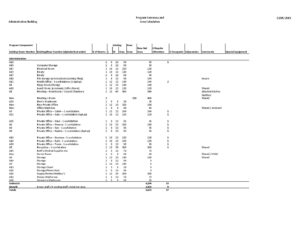
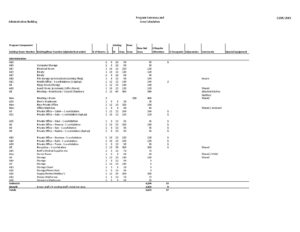
Programming Functional program
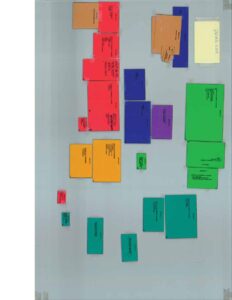
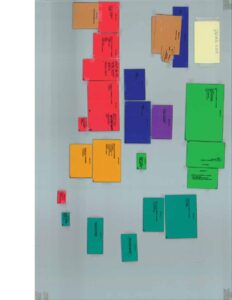
Programming Spatial Relationship Diagram
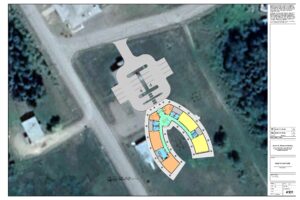
Saik’uz Daycare-WD-A101
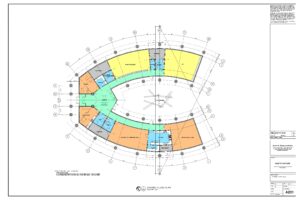
Saik’uz Daycare-WD-A201
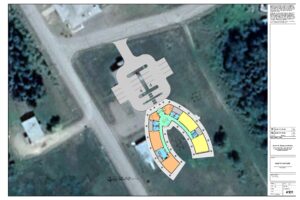
Saik’uz Daycare-WD

Schematic Design Nzen’man

Schematic Design Klemtu

Site and Evironmental Analysis Site Study Nze’man’
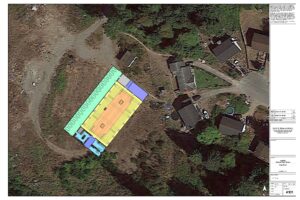
Tsawout Long House_WD.dwg 04.17.20
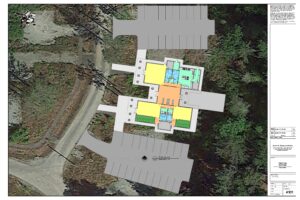
Tseycum Daycare-WD

Tsilhqot’in Feasibility Report Draft 1 03.19.20
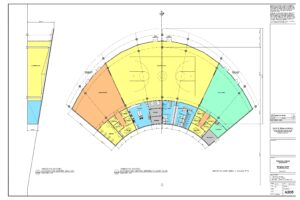
Yunesit’in Evacuation Centre Ground Floor Plan_WD-A205
Engineering System

Engineering Systems Malahat

Malahat – Multi-Purpose Building -WD-A1011

Malahat – Multi-Purpose Building -WD-A1012

Malahat – Multi-Purpose Building -WD-IFINAC Dec.15.17

Sketch for truss in Malahat MPB
Building Cost Analysis

Building Cost Analysis Klemtu

Building Cost Analysis Stz’uminus
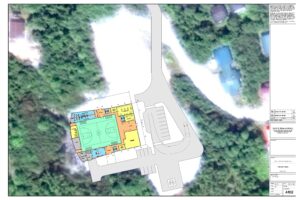
Klemtu_WD.dwg-A102
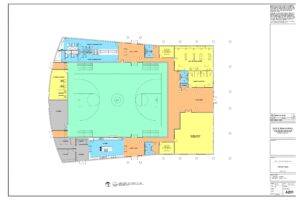
Klemtu_WD.dwg-A201
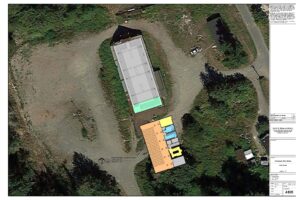
Stz’uminus Long House_WD-A105 08.18.19
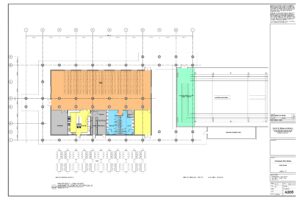
Stz’uminus Long House_WD-A205 08.18.19
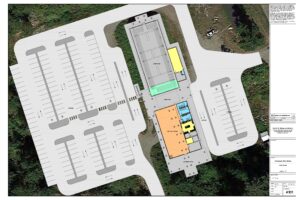
Stz’uminus Long House_WD
Code Research

Code Research Malahat

Construction Documents Issued for ConstructionMalahat – Multi-Purpose Building -WD Sample Sheets
Design Development

Construction Documents

Construction Documents Code Analysis Ucluelet

Construction Documents Issued for ConstructionMalahat – Multi-Purpose Building -WD Sample Sheets
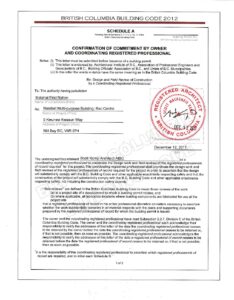
Construction Documents Schedule A Malahat

Constructoon Documnets Specifications Malahat Sample Sections
Bidding and Contract Negotiations
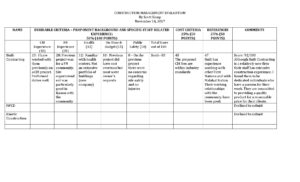
Bidding and Contract Negociations Malahat CM Evaluation

Bidding and Contract Negotiations Addendum

Bidding and Contract Negotiations CCDC Sample
Construction Phase

CCN 1 Bonding Fee

Certificate of Substantial Perfomance
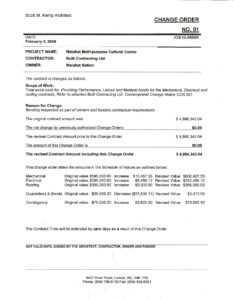
CO 01

Construction Phase Certificate for Payment Contractor Invoice

Construction Phase Field Report
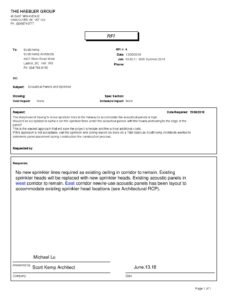
Construction Phase RFI

Notice of Certificate of Substantial Performance
Management of the Project

BD-N17092_MALAHAT RECREATION CENTRE_PROPOSAL

Malahat Multipurpose Building Fee Proposal SMK

P17-2672-00 Malahat Recreation Centre

P17-4561 Malahat Proposal Rec Centre Aug 30,17
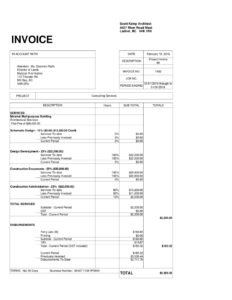
Project Management Sample Invoice
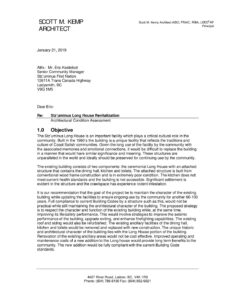
Stz’uminus Long House 01.21.19